

Sale price
$799
Jack the Ripper
Ages 8–12 · 2017
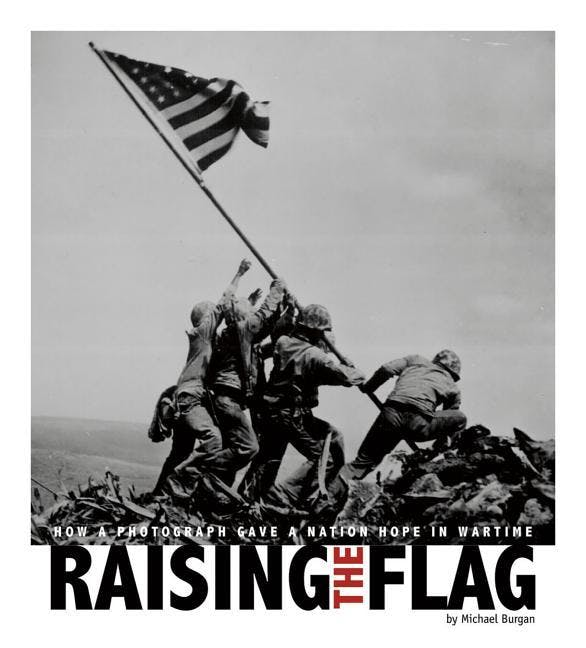
A photograph ignites hope and pride in a war-weary nation.
In February 1945, as World War II rages on, a single photograph captures a pivotal moment: Marines raising the American flag on Japanese soil. This iconic image becomes a beacon of hope for a nation exhausted by years of conflict. It symbolizes not just a military victory, but the collective resilience and determination of the armed forces. As the war drags on, this powerful snapshot offers a promise of eventual triumph and peace. Discover the profound impact of this image and its enduring legacy in shaping national morale and identity.
A digital solution for your classroom with features created with teachers and students in mind: - Perpetual license - 24 hour, 7 days a week access - No limit to the number of students accessing one title at a time - Provides a School to Home connection wherever internet is available - Easy to use - Ability to turn audio on and off - Words highlighted to match audio By February 1945 the United States had been fighting World War II for more than three years. Soldiers were worn down from battle, and civilians were drained by sacrifice. But a photograph of Marines raising an American flag on Japanese soil gave a wearied nation a renewed sense of pride and hope. This powerful image of strength and determination became the most famous image of the war. It not only captured a moment of victory against a strong foe. It also represented the effort every member of the armed forces had made and offered Americans the promise of victory and an end to conflict.




Surprise a reader with their next favorite book.
Spotted a mistake or something missing? Improve this page.
Are you the author or illustrator? Claim your book.
Top contributors: Elaine R.