
Sale price
$1299
Little Unicorn Is Angry
Ages 4–8 · 2018
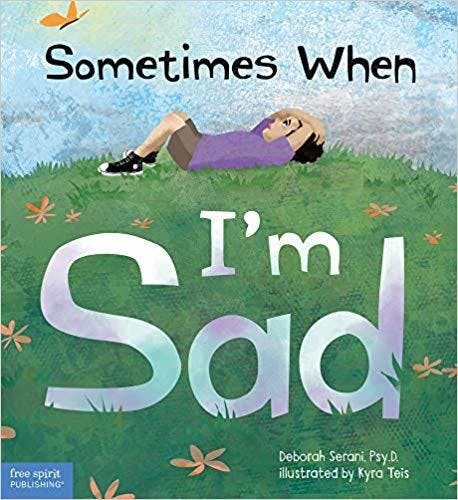
Written by Dr. Deborah Serani and Deborah Serani · Illustrated by Kyra Teis
Part of the Sometimes When series
A child learns to manage overwhelming sadness with simple, empowering strategies.
In 'Sometimes When I'm Sad,' a young child navigates the overwhelming emotion of sadness. Through gentle storytelling, the book offers practical ways to cope, like talking to a trusted adult, drawing, or exploring nature. As the child learns to manage these feelings, the story provides a crucial resource for identifying early signs of depression without using the term. This supportive tale not only aids children but also equips adults with tools to help young ones struggling with dark emotions, fostering understanding and reducing stigma around mental health.
"She said sometimes sadness can get so big that it takes up all the space where happiness should be."
— from the book
A sensitive and supportive story to help young children recognize and cope with sadness.
“Now when I get sad, I still cry sometimes. I still hide sometimes. But only for a little while. Because now I know ways to feel better.” Sadness can be an overwhelming emotion, especially for young children. But it’s important to know when sadness can be overcome, and when it’s indicative of a greater problem.
Sometimes When I’m Sad is an invaluable self-help resource that helps children identify sadness or depression and offers helpful ways to manage it, such as:
Talk about it with a parent or a trusted adult or counselor
Draw the sadness with crayons
Release tension by squishing clay
Run and jump around outside
Observe nature
The word depression is never used in the gentle, child-focused text, but this simple story offers an entrance point for both adults and children to identify and address childhood depression symptoms early.
This timely resource is a wonderfully gentle way to take steps toward banishing the stigma around mental illness. A special section at the back of the book provides support for adults, from an explanation of the difference between sadness and depression to helpful tools to manage the illness. Especially useful for counselors, social workers, teachers, parents, and any other adults caring for children who struggle with dark feelings.
This is a great resource for opening up a discussion with children struggling with feelings of sadness. As you read it, ask them which activities would help them feel happy again.
A child could also benefit from hearing you discuss times when you feel sad and what you do to start to feel better again.
5.0
out of 7
“The book's focus on sadness can be a great prompt for important discussions with children about coping with strong feelings of sadness, while the simplicity of the illustrations and text leaves lots of room for the discussion to take place.”
Trusted reviewer


Surprise a reader with their next favorite book.
Spotted a mistake or something missing? Improve this page.
Are you the author or illustrator? Claim your book.

