
Sale price
$1799
The Quest for Z
Ages 7–10 · 2017
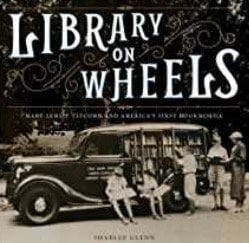
Written by Sharlee Glenn
A librarian revolutionizes access with a horse-drawn book wagon.
Mary Lemist Titcomb, a visionary librarian, faces the challenge of reaching rural communities in early 20th-century Maryland. Determined to provide access to all, she introduces the innovative horse-drawn Book Wagon, forever changing the library system. As book wagons spread across the country, Titcomb's pioneering spirit inspires a movement, leading to the birth of the bookmobile. Discover how one woman's dedication and creativity overcame barriers, bringing books to those who needed them most. Will her revolutionary idea gain the support it deserves, or will it be lost to history?
If you can’t bring the man to the books, bring the books to the man. Mary Lemist Titcomb (1852-1932) was always looking for ways to improve her library. As librarian at the Washington County Free Library in Maryland, Titcomb was concerned that the library was not reaching all the people it could. She was determined that everyone should have access to the library–not just adults and those who lived in town. Realizing its limitations and inability to reach the county’s 25,000 rural residents, including farmers and their families, Titcomb set about to change the library system forever with the introduction of book-deposit stations throughout the country, a children’s room in the library, and her most revolutionary idea of all–a horse-drawn Book Wagon. Soon book wagons were appearing in other parts of the country, and by 1922, the book wagon idea had received widespread support. The bookmobile was born!


Surprise a reader with their next favorite book.
Spotted a mistake or something missing? Improve this page.
Are you the author or illustrator? Claim your book.
Top contributors: Literary Leslie
