
Sale price
$1899
Everywhere Beauty Is Harlem: The Vision of Photographer Roy Decarava
Ages 7–10
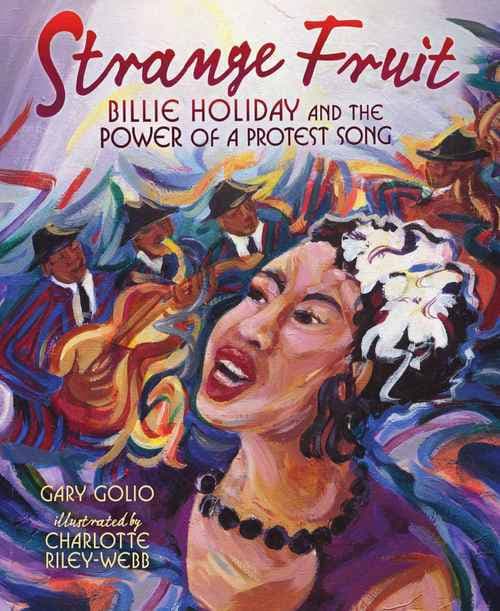
Written by Gary Golio · Illustrated by Charlotte Riley-Webb
A jazz singer performs a powerful protest song that sparks outrage and inspires change in the 1930s
In the 1930s, Billie Holiday, a jazz singer from poverty, and Abel Meeropol, a Jewish immigrant's son, unite to create 'Strange Fruit.' This haunting song confronts racism, leaving audiences silent and igniting the Civil Rights movement. How did this powerful collaboration transform their lives and the world?
The audience was completely silent the first time Billie Holiday performed a song called “”Strange Fruit.”” In the 1930s, Billie was known as a performer of jazz and blues music, but this song wasn’t either of those things. It was a song about injustice, and it would change her life forever.
Discover how two outsiders–Billie Holiday, a young black woman raised in poverty, and Abel Meeropol, the son of Jewish immigrants–combined their talents to create a song that challenged racism and paved the way for the Civil Rights movement.””The audience was completely silent the first time Billie Holiday performed a song called “”Strange Fruit.”” In the 1930s, Billie was known as a performer of jazz and blues music, but this song wasn’t either of those things. It was a song about injustice, and it would change her life forever.
Discover how two outsiders–Billie Holiday, a young black woman raised in poverty, and Abel Meeropol, the son of Jewish immigrants–combined their talents to create a song that challenged racism and paved the way for the Civil Rights movement.


Surprise a reader with their next favorite book.
Spotted a mistake or something missing? Improve this page.
Are you the author or illustrator? Claim your book.