
Sale price
$799
Kaya: Smoke on the Wind
Ages 8–10 · 2014
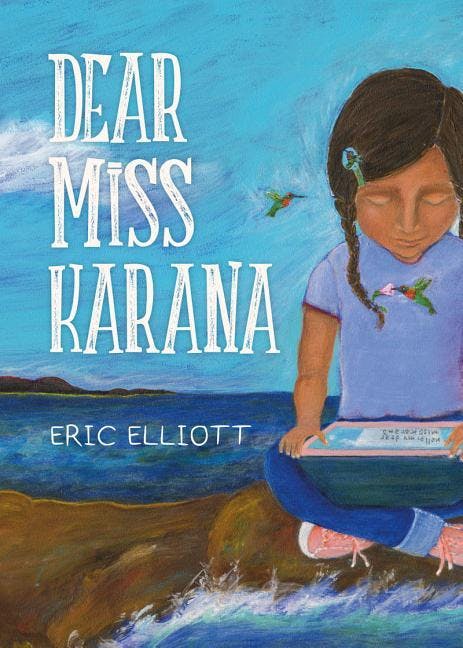
Written by Eric Elliott
A girl seeks to decode a mysterious song to help a spirit find peace.
Ten-year-old Tíshmal is captivated by the story of a woman stranded on San Nicolás Island. She believes the woman's song holds secrets linked to her own heritage. With her grumpy great uncle, Wéh Powéeya, the last fluent speaker of their ancestral language, Tíshmal embarks on a quest to unravel the song's meaning. Can they bridge the past and present to help a lost spirit find peace? As they delve deeper, Tíshmal discovers more about her own identity and the power of cultural perseverance. Will they succeed in their mission, or will the song's secrets remain hidden?
While reading Island of the Blue Dolphins at school and learning about the real woman stranded on San Nicolás Island, ten-year-old Tíshmal begins writing emails to “Miss Karana” in hopes of talking to her spirit. When she arrived on the mainland of Southern California, Miss Karana spoke a language that no one could understand even back then, and all that remains is a recording of the song she sang when she was found on the island. Tíshmal realizes that some of the words sound very similar to Chamtéela (Luiseño), the language spoken on her reservation. As she writes to Miss Karana, Tíshmal becomes more and more resolved to understand the lone woman’s song. The only person able to help her is a grouchy great uncle, Wéh Powéeya (“two tongues”), the last living person fluent in the language of their ancestors from the belly button of the ocean: the islands including San Nicolás. Together, Tíshmal and Wéh Powéeya must discover what the lone woman said long ago in order to help her spirit finish the journey West.First written in Chamtéela and developed in accordance with fourth grade Common Core State Standards, Dear Miss Karana tells a compelling story of family, determination, and cultural perseverance.


Surprise a reader with their next favorite book.
Spotted a mistake or something missing? Improve this page.
Are you the author or illustrator? Claim your book.

