
Sale price
$1799
Paper Wishes
Ages 9–12 · 2016
Written by Jeanne Wakatsuki Houston
A child navigates life in a WWII Japanese American incarceration camp.
Jeanne Wakatsuki Houston, a young girl during WWII, faces the harsh realities of life in Manzanar, a Japanese American incarceration camp. Stripped of her home and normalcy, she witnesses her family's resilience amid fear and confusion. As she grows, Jeanne seeks to understand the meaning of Manzanar and the dignity found in adversity. Her memoir offers a poignant glimpse into a dark chapter of American history, raising questions about identity, justice, and survival. What does it mean to find hope in a place meant to break the spirit?
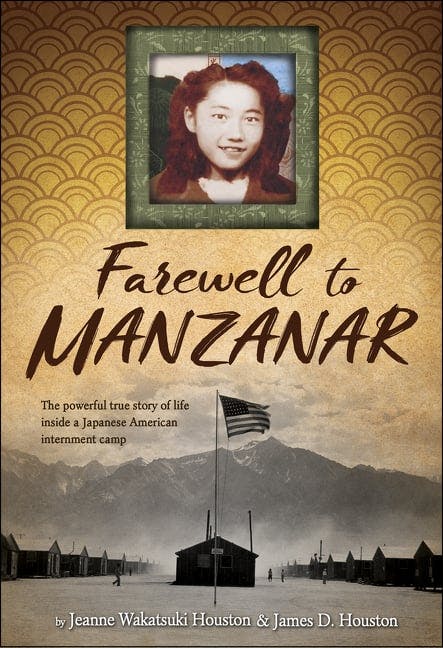
The powerful true story of life in a Japanese American incarceration camp.During World War II the incarceration camp called Manzanar was hastily created in the high mountain desert country of California, east of the Sierras. Its purpose? To house thousands of Japanese Americans.In Farewell to Manzanar, Jeanne Wakatsuki Houston recalls life at Manzanar through the eyes of the child she was and the experiences of her family. She relays the mundane and remarkable details of daily life during an extraordinary period of American history: The wartime imprisonment of civilians, most native-born Americans, in their own country, without trial, and by their fellow Americans.She tells of her fear, confusion, and bewilderment, as well as the dignity and resourcefulness of people in oppressive and demeaning circumstances. Jeanne delivers a powerful first-person account that reveals her search for the meaning of Manzanar.Farewell to Manzanar has become a staple of curriculum in schools and on campuses across the country. Named one of the twentieth century’s 100 best nonfiction books from west of the Rockies by the San Francisco Chronicle.


Surprise a reader with their next favorite book.
Spotted a mistake or something missing? Improve this page.
Are you the author or illustrator? Claim your book.
Top contributors: Elaine R.