
Sale price
$1999
When the Wolves Returned
Ages 6–10 · 2008
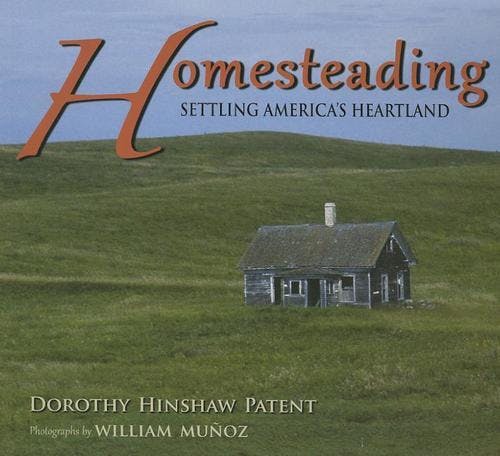
Written by Dorothy Hinshaw Patent
Pioneers face harsh trials to claim a new life on the Great Plains.
In the vast, unforgiving Great Plains, pioneer families brave the unknown, driven by the promise of land from the 1862 Homestead Act. Amidst scarce resources and unpredictable weather, they strive to build homes and farms. Some falter, but others endure, paving the way for future generations. Will they conquer the challenges of the prairie, or will the land's harshness prevail? Discover the resilience and determination that shaped America's heartland in this vivid historical journey.
"In 1862 Congress passed the Homestead Act, which its author called "free land for free men," and President Abraham Lincoln signed it. "This will do something for the little fellow," Lincoln is said to have commented." "Frontier farmers usually had large families. It was common for couples to have eight or nine children, and many had ten or more."
— from the book
Homesteading: Settling America�s Heartland describes the trials, tragedies, and triumphs of the brave pioneer families who set out into the unknown to create a home on the vast, desolate grasslands of the Great Plains. The Homestead Act of 1862 offered, practically free, a 160-acre plot to anyone willing to develop it. Hundreds of men, women, and children took advantage of the opportunity to build a home, a farm, and a while new life on the western prairie.The homesteader�s life could be harsh. The Great Plains had few resources, unpredictable weather, and numerous dangers. Nevertheless, many stalwart Americans and immigrants took up the challenge. Many failed, but others survived and eventually thrived, opening the way for generations of Westerners to come.Kids and adults alike will delight in this engaging short history, beautifully illustrated with full-color photographs by William Mu�


Surprise a reader with their next favorite book.
Spotted a mistake or something missing? Improve this page.
Are you the author or illustrator? Claim your book.
Top contributors: Elaine R.


