The War That Saved My Life
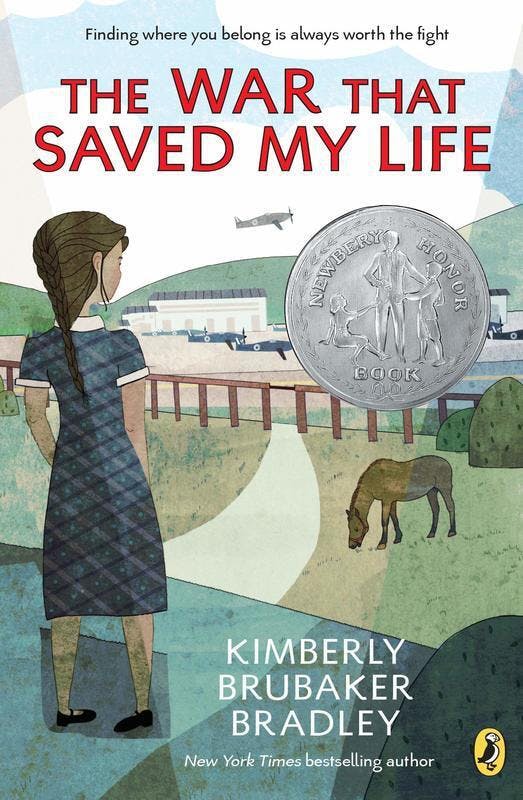
Ada was born with a clubfoot and has never been allowed outside. In the summer of 1939 she slips onto an evacuation train out of London anyway.
The decade opens with a blackout curtain and closes with a chocolate bar on a handkerchief parachute. In between: children evacuated out of London with luggage tags sewn to their coats, families in California given a week to sell everything and board a bus for a barracks in the desert, mothers on the night shift at aircraft plants, a girl writing in a sealed annex in Amsterdam, a fleet of fishing boats carrying almost every Jew in Denmark across a dark strait, and a physicist in New Mexico watching the sky turn white. Then the fighting stops and the decade keeps going — Sylvia Mendez walking into a school that had turned her away, a boy in a Chicago library discovering a poet with his own name, a room-sized computer programmed by six women nobody thought to name, and polio wards filling every summer. Ten years, and hardly a quiet one.
Bookroo’s collection of 197 books set in the 1940s runs from thirty-two-page picture books to Newbery-honored novels and heavily sourced narrative nonfiction, and our editors chose fourteen that carry the decade best. The shortlist walks it roughly in order — 1939 in the English countryside, 1942 behind the wire at Manzanar, 1943 in Copenhagen and occupied France, 1944 on the Normandy sand, 1945 at Los Alamos, and then the four years afterward that most books skip. Below the picks, the age shelves sort the rest into illustrated stories for younger listeners and chapter books and novels for readers ready to spend a few hundred pages in the decade. Several of these titles deal plainly with the Holocaust and with incarceration; each pick says who it suits and what to expect before you read it aloud.
Ada was born with a clubfoot and has never been allowed outside. In the summer of 1939 she slips onto an evacuation train out of London anyway.
Dorothea Lange, Toyo Miyatake and Ansel Adams photographed the same incarceration camps and came away with three different countries.
A grandmother finally tells her granddaughter what happened in Paris after her parents were taken, and who kept her alive.
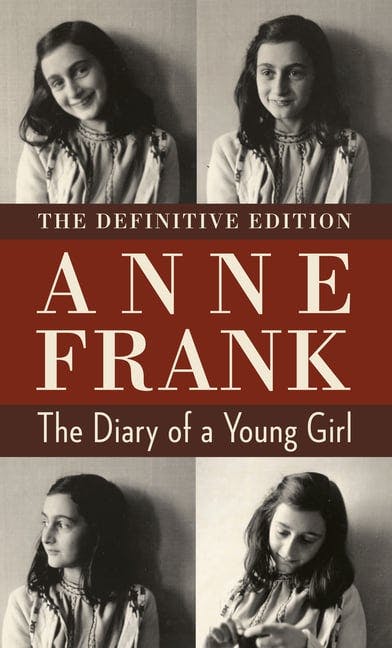
Two years, eight people, one sealed annex above a canal-side warehouse, written by a thirteen-year-old who intended to be a writer.
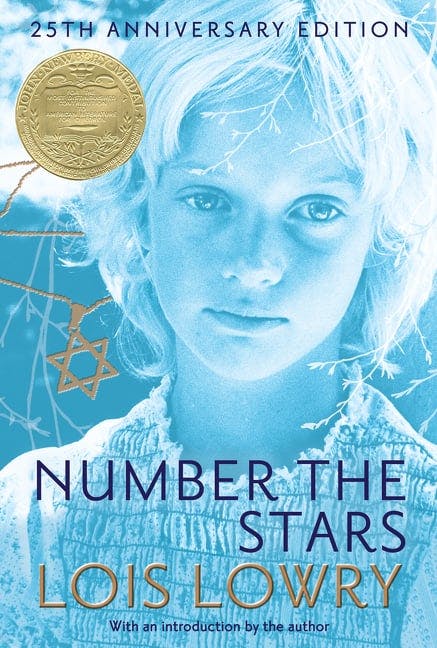
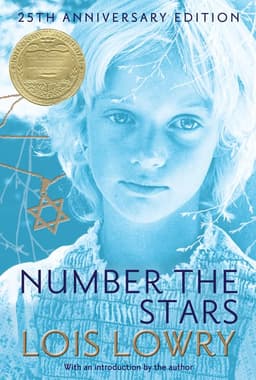
September 1943: Annemarie’s best friend moves in, takes the family surname, and waits for a fishing boat to Sweden.
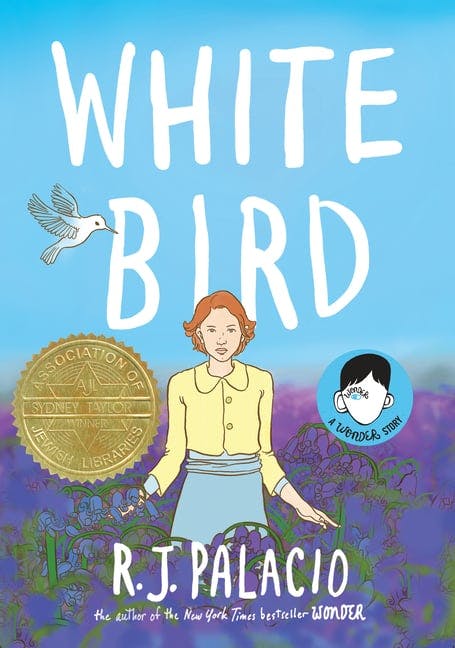
The grandmother from *Wonder* explains where she was in 1943 — hidden in a barn by the schoolboy her classmates mocked.
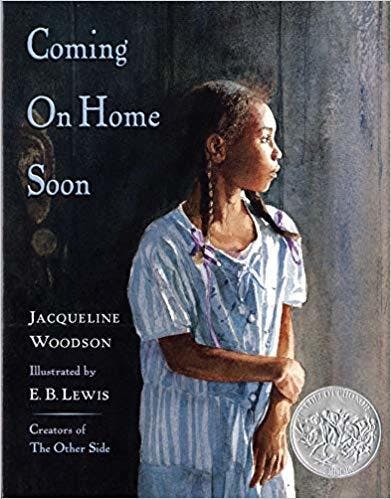
Ada Ruth’s mama goes north to Chicago to take one of the men’s jobs, and the winter has to be got through without her.
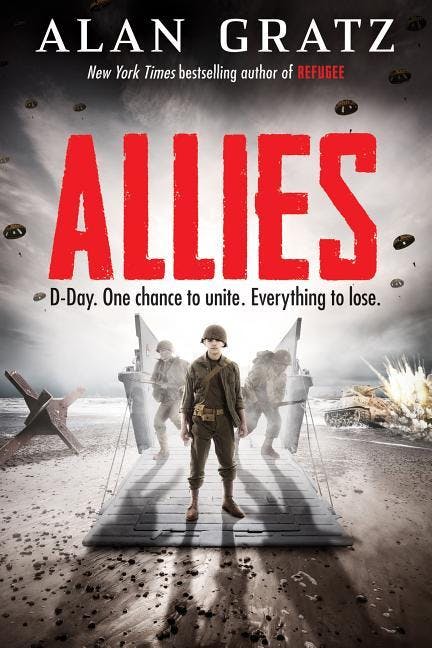
June 6, 1944, told from a landing craft, a French farmhouse, a paratrooper’s plane and a medic’s aid station at once.
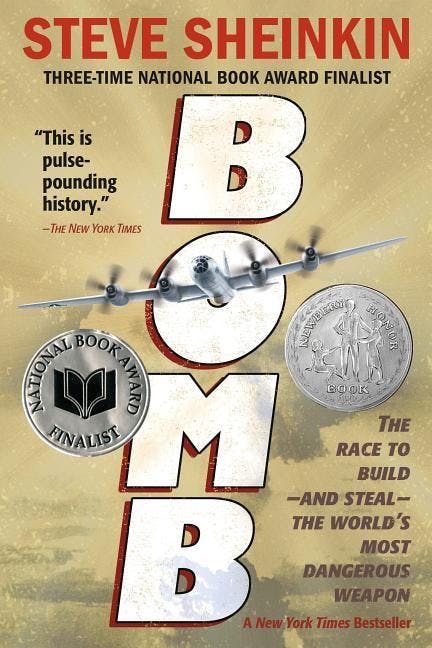
A German chemist splits a uranium atom in 1938, and three governments spend seven years racing, spying and sabotaging their way to the consequence.
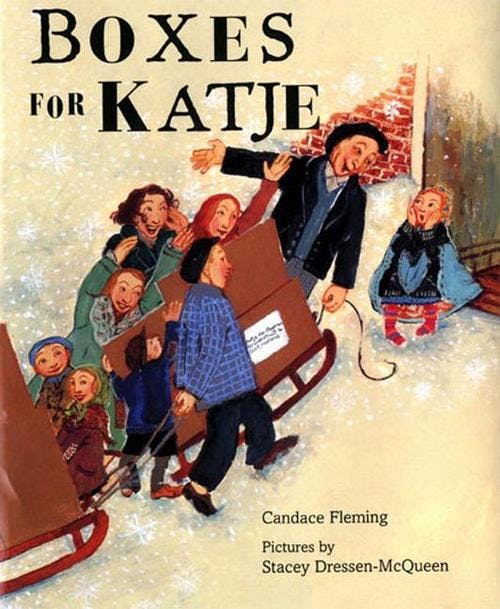
1945: a Dutch village has no soap, no milk and no wool — and then a box arrives from Mayfield, Indiana.
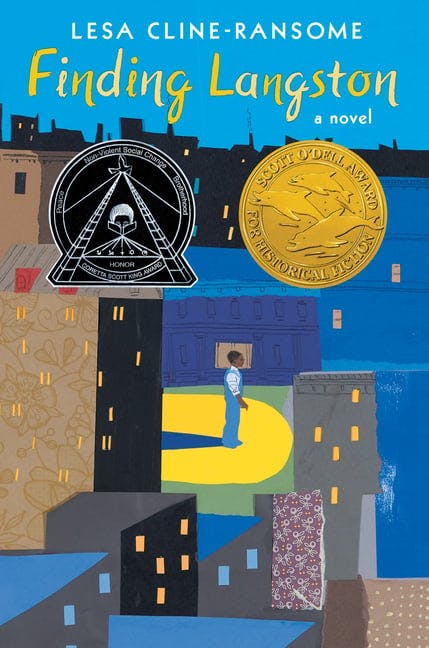
1946, Bronzeville: a motherless boy from Alabama, teased for his accent, finds a Chicago library that will let him in.
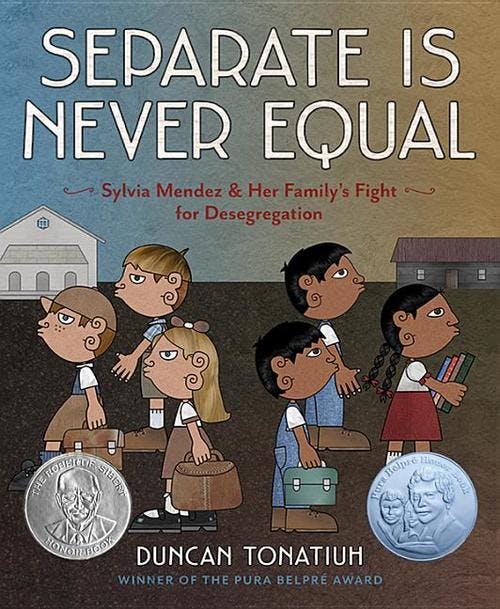
Sylvia Mendez was sent to the Mexican school. Her parents sued, and California desegregated its classrooms seven years before Brown.
Berlin, 1948: the city is blockaded and starving, and one American pilot starts dropping chocolate on handkerchief parachutes.
In 1949 twelve-year-old Peg Kehret woke up unable to walk, and spent seven months in a polio ward learning how again.
Victory gardens and ration books, code talkers and Rosies, ballplayers and hidden children — illustrated true stories and wartime fiction. Ages 4–9.
A young girl living in the White House during World War II wants to do her part to help with the war effort
Women take up axes to save Britain during WWII.
A soldier defies segregation, facing trial for standing up for justice.
A boy and his deaf father bond over baseball, rooting for Jackie Robinson's historic season.
A young girl hides during war, her diary revealing hope amidst darkness.
In 1942, can Sam prove his friendship to Keiko as war divides them?
A cycling champion risks everything to save lives during WWII.
Two lives, one year: hope and dreams defy prejudice and violence.
A young boy dreams of Yankee pinstripes, becoming a baseball legend during America's toughest times.
A young Navajo boy is forced to attend a boarding school where he is forbidden to speak his native language, but later uses it to help the US military during World War II.
In a WWII internment camp, a man uses baseball to inspire hope.
A young girl defies odds to become an Olympic champion.
Historical fiction, survival stories, spy missions, memoirs and illustrated history set between 1940 and 1949, from first chapter books to full-length middle grade. Ages 7–12.
A young girl hides from the Nazis, capturing her journey through the lens of a camera.
A young boy's journey from a carefree childhood in rural Poland to surviving the Holocaust through resilience, family, and the unlikely protection of Oskar Schindler.
Discover how a stolen bike led a young Cassius Clay to become Muhammad Ali.
A girl clings to hope as her family is uprooted during wartime.
A girl is transported to the past, facing horrors only she foresees.
A summer friendship hides secrets that could change lives during World War II.
Stranded at sea, a boy must rely on an unlikely ally to survive and see beyond prejudice.
A young girl befriends a German escapee, risking everything during WWII.
A boy's peaceful world is shattered by war, threatening everything he loves.
A young pianist's music becomes her lifeline amid war's chaos.
Submariners fight a hidden war in the Pacific, battling against overwhelming odds after Pearl Harbor.
A pastor risks everything to stop Hitler's rise.