Books About Disagreements

The Best Disagreements Books for Kids

Looking for excellent children's books about disagreements? This collection brings together Bookroo's highest-rated and most useful picks in one place.

Start with our editorial favorites, then browse recommendations organized by reading stage to find the right book for your reader.

The Shortlist

Our 3 Favorite Books About Disagreements

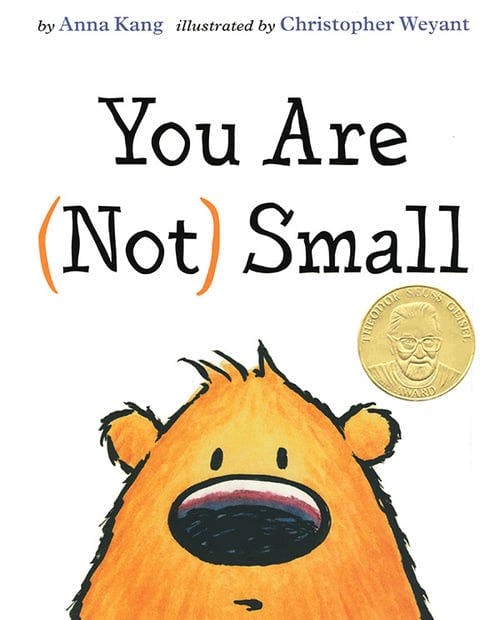
You Are (Not) Small
Sale price
$1597
Picture Book · Ages 2–6 · 2014

You Are (Not) Small

By Anna Kang, Christopher Weyant (Illustrator) · Book #1 in the You Are (Not) Small series

Two creatures debate size until unexpected guests change everything.

32 pages· 93 words· Est. 1 min read-aloud
4.8/7 Bookroo·4.1/5 Goodreads · 5,848 ratings
$16.99Save 6%
Hardcover
Summary: Two fuzzy creatures argue over who is big and who is small. Their playful banter takes a surprising turn when unexpected guests arrive, challenging their perceptions. In this humorous tale, size is all about perspective. Will they finally see eye to eye?
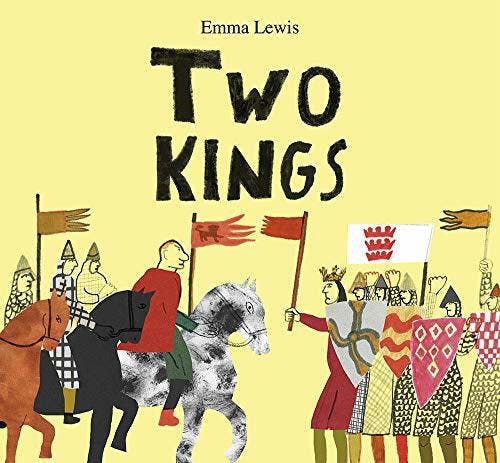
Two Kings
Sale price
$1697
Picture Book · Ages 5–7 · 2019

Two Kings

Two rivals vie for a kingdom, but the people's desires remain unheard.

32 pages
4.3 Goodreads · 9 ratings
$17.99Save 6%
Hardcover
Summary: In a kingdom without a king, a Duke and an Earl clash in a relentless struggle for power. Their rivalry, fueled by vanity and greed, threatens the very fabric of the realm. As their battle rages, the voices of the people are drowned out. What do they truly desire, and will anyone heed their call? This tale, woven with the rich tapestry of ambition and consequence, challenges the notion of leadership and the cost of ignoring those who matter most.
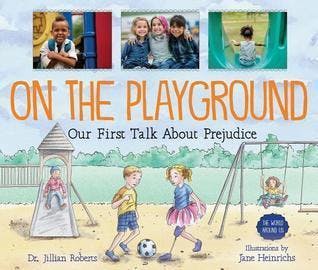
On the Playground
Sale price
$1895
Picture Book · Ages 6–8 · 2019

On the Playground

A child learns to question and combat prejudice in everyday life.

32 pages
3.8 Goodreads · 67 ratings
$19.95Save 5%
Hardcover
Summary: A young child engages in a meaningful conversation with an adult about prejudice. Through their dialogue, the child learns to recognize discrimination, understand its impact, and discover ways to promote inclusion and acceptance. As they navigate this complex topic, they are empowered to challenge prejudice in their surroundings and media. How will they use this newfound understanding to make a difference?