Sale price
$1899
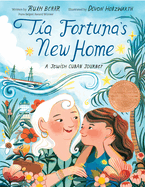
Tía Fortuna's New Home
Ages 4–8 · 2022
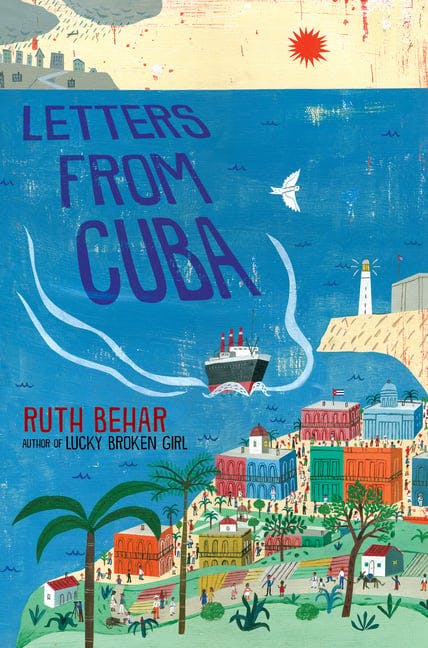
Written by Ruth Behar
A young girl escapes Poland for Cuba, striving to reunite her family amidst rising dangers.
On the brink of World War II, Esther flees Poland for Cuba, leaving her sister behind. In a new land, she discovers unexpected kindness and a hidden talent, but also faces the shadow of Nazism. Through heartfelt letters, Esther chronicles her journey, determined to reunite her family before time runs out. Can she bridge the distance and overcome the looming threats? This tale of resilience and hope explores the power of connection in the darkest times.
Pura Belpré Award Winner Ruth Behar’s inspiring story of a young Jewish girl who escapes Poland to make a new life in Cuba, while she works to rescue the rest of her family The situation is getting dire for Jews in Poland on the eve of World War II. Esther’s father has fled to Cuba, and she is the first one to join him. It’s heartbreaking to be separated from her beloved sister, so Esther promises to write down everything that happens until they’re reunited. And she does, recording both the good–the kindness of the Cuban people and her discovery of a valuable hidden talent–and the bad: the fact that Nazism has found a foothold even in Cuba. Esther’s evocative letters are full of her appreciation for life and reveal a resourceful, determined girl with a rare ability to bring people together, all the while striving to get the rest of their family out of Poland before it’s too late. Based on Ruth Behar’s family history, this compelling story celebrates the resilience of the human spirit in the most challenging times.
What families may want to know
Every family reads differently. These are the concepts our editors noticed in this book — worth seeking out for some readers, worth knowing about for others. The list isn't exhaustive, but it's a spoiler-light head start.
Violence
There is a mild amount of verbal hostility expressed by a Nazi Cuban toward a Jewish individual.
Serious Subject Matter
The story is based in the 1930s and premised on fleeing Nazi aggression in Europe.
Why do you think Esther's relationship with her mother changes while they are physically separated?
Why was it important to Esther to add her label to her dresses? Have you ever wanted to be recognized for something you created?
5.5
out of 7
“This refugee story is inspiring. I love Esther's initiative and resourcefulness in finding a way to help her family. I also really enjoyed her openness with neighbors, both in sharing of her culture and religion and learning of theirs.”
Trusted reviewer


Surprise a reader with their next favorite book.
Spotted a mistake or something missing? Improve this page.
Are you the author or illustrator? Claim your book.
Top contributors: The Goodfather · Marmee · Elaine R.


