
Sale price
$1999
Bridge to Terabithia
Ages 9–12 · 1977
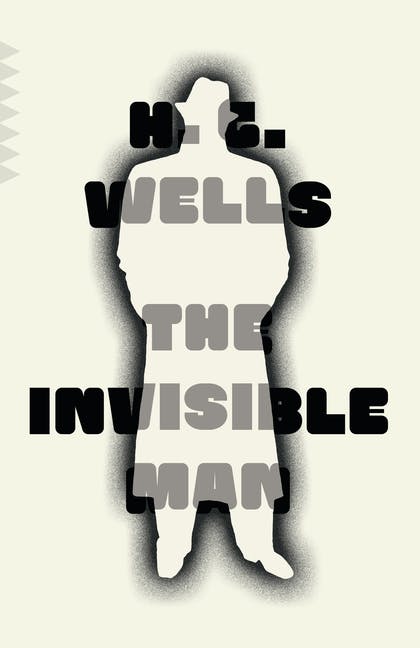
A scientist's groundbreaking experiment renders him invisible, but the inability to reverse it isolates him from society and sanity. Disguised in bandages, he arrives in a new town, driven to desperate and violent acts. As his secret teeters on exposure, will he reclaim his humanity or succumb to the darkness? This tale explores the perilous edge of scientific ambition and its impact on the human soul.
It’s one of the most famous novels of the 19th century, and probably the one that’s least actually read. The Invisible Man, first published in 1897, became the basis for the classic 1933 film starring Claude Rains-as well as its many spinoffs-but the novel is quite different: it’s an early example of science fantasy that was as much about character as it was about concept. One of the most enduringly popular writers of modern literature, Wells here assured his position as one of the fathers of imaginative literature with his psychologically complex tale of a scientist who renders himself invisible and eventually goes mad because of it. And because it focuses more on people than on technology, it remains a compelling tale even more than a century after it was written. British author HERBERT GEORGE WELLS (1866-1946) is best known for his groundbreaking science fiction novels The Time Machine (1895), The Invisible Man (1897), and The War of the Worlds (1898).


Surprise a reader with their next favorite book.
Spotted a mistake or something missing? Improve this page.
Are you the author or illustrator? Claim your book.
Top contributors: Mr. Staccato


