Sale price
$1248
Chapter Book · Ages 8–12 · 2020
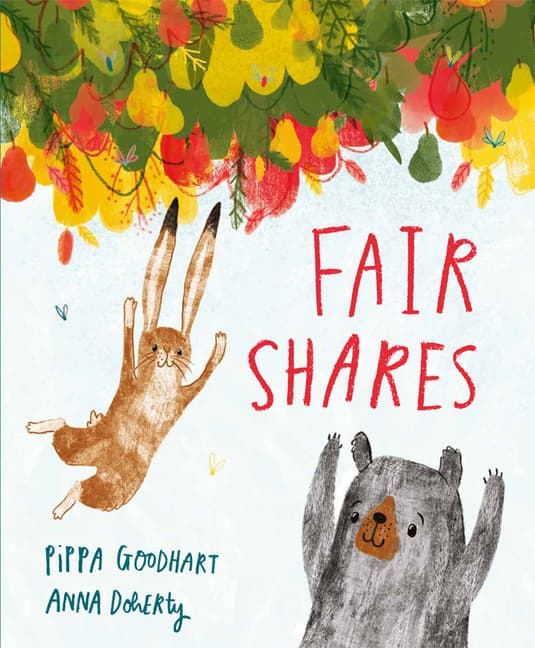
Fair Shares
By Pippa Goodhart, Anna Doherty (Illustrator)
Hare and Bear have three chairs, one tree full of pears, and a problem that equal numbers cannot solve.
$12.99Save 4%
Hardcover
Fairness begins with a ruler: two pieces of cake should be exactly the same size, two children should get exactly the same number of turns, and the person who was first yesterday should not be first again today. Then somebody needs a taller chair, a flat baseball player reaches a ball nobody else can, or a rule turns out to have been written for the people already winning. The ruler stops being much help. That is where the best fairness books begin — not with “fair means equal,” but with a problem children can measure, argue over, and finally see from more than one side.
Bookroo’s collection of books about fairness is still selective, so our editors widened this fixed shortlist to fourteen strong stories about shares, rules, competition, equal treatment, and justice. Start with picture books that make “that’s not fair” genuinely funny, then move into stories about segregation, unfair laws, elections, and the difference between giving everyone the same thing and giving each person what they need. The age shelf below keeps the broader catalog close at hand for families and classrooms looking for another discussion-ready read.
Hare and Bear have three chairs, one tree full of pears, and a problem that equal numbers cannot solve.

The smaller half, the losing team, the earlier bedtime: somebody would like to file a complaint.
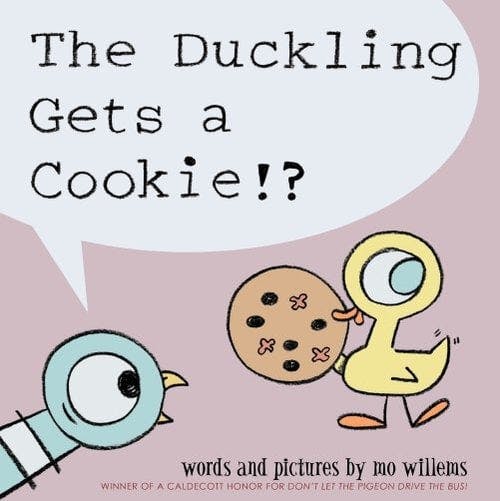
Duckling asks politely for a cookie and gets one. Pigeon has several objections, most of them loud.
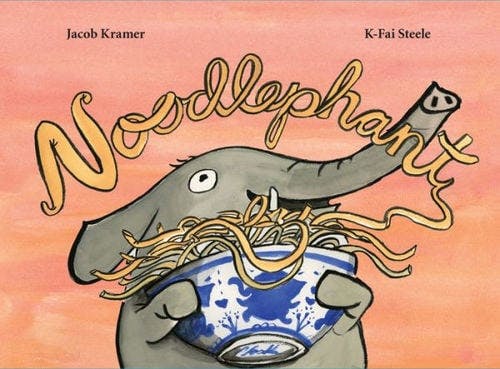
The kangaroos outlaw noodles for everyone but kangaroos. Noodlephant responds with pasta-making machinery.

Two turtles find one magnificent hat, agree that neither should have it, and walk away very slowly.
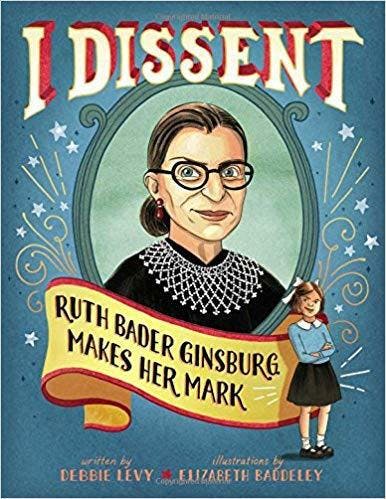
Long before Ruth Bader Ginsburg sat on the Supreme Court, she was learning that disagreement could be a form of work.
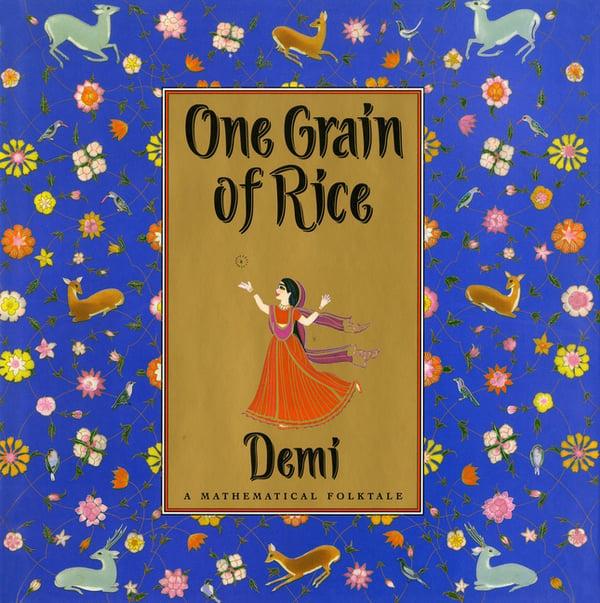
A raja hoards the kingdom’s rice until one girl asks for a single grain, doubled every day.
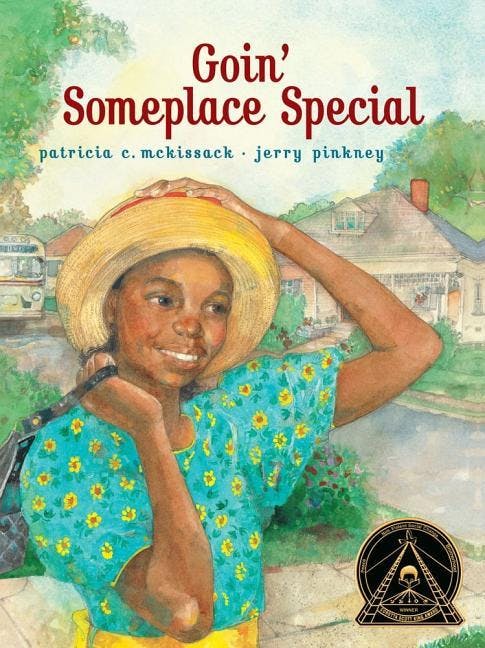
’Tricia Ann crosses a segregated town alone, headed for the one public place that promises everybody is welcome.
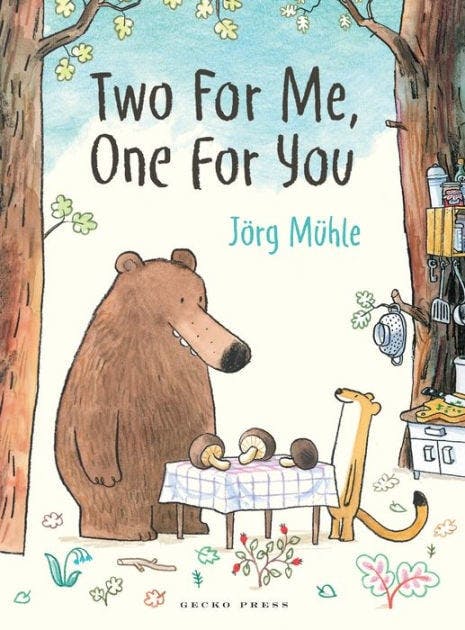
Bear finds three mushrooms. Weasel cooks them. Both can prove, at length, who deserves the extra one.
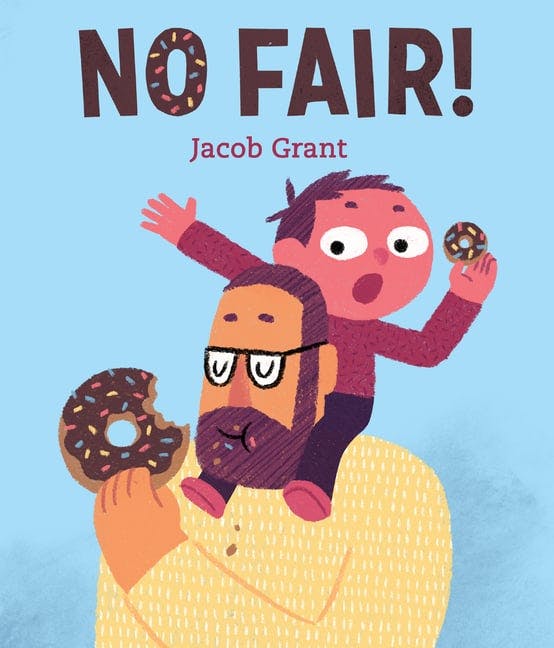
Pablo is too small for every good thing at the market, so he imagines a day when Dad is the child instead.
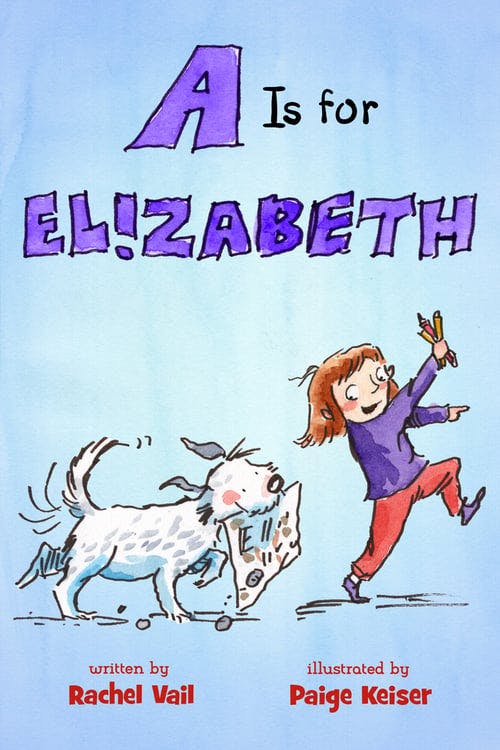
Anna has four letters and always goes first. Elizabeth has nine letters and has had enough of alphabetical order.
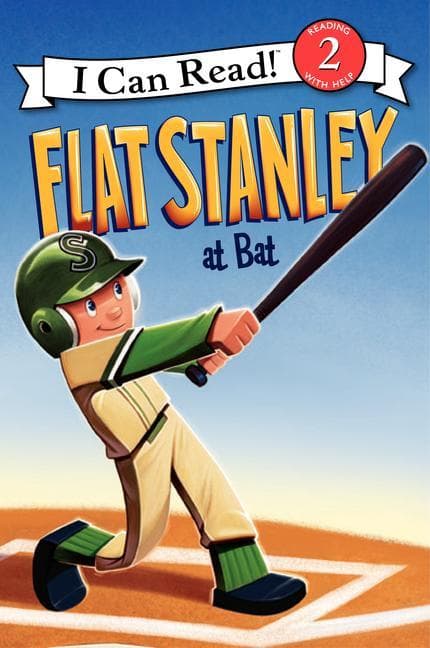
Flat Stanley can float to the highest baseballs, and the other team would like the umpire to do something about it.
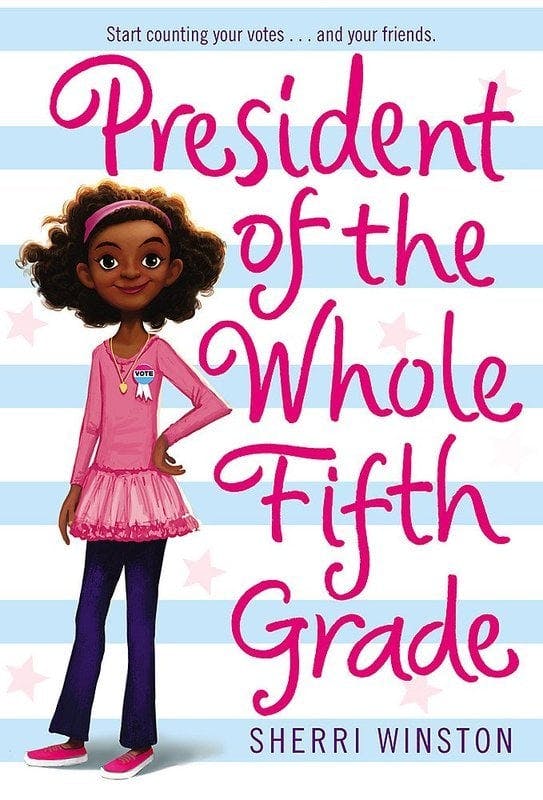
Brianna’s plan for a fifth-grade election is working until a rival appears with an embarrassing secret attached.
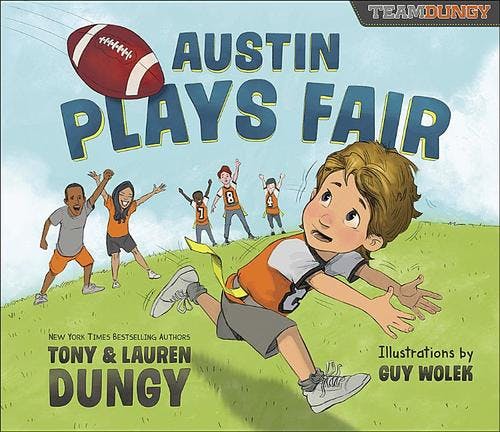
After six football losses, Austin’s team discovers a trick that finally works. It also happens to be cheating.
Equal slices, disputed rules, sibling scorekeeping, and the first discovery that fair does not always mean the same — discussion-rich books for ages 3–9.

A boy seeks perfect balance, but can everything be fair and even?

A dragon with a bounty finds an unexpected ally in a young boy.
A bunny learns spending limits with a clever twist.

Discover golf's essence through a child's eyes, exploring family, honesty, and joy.

Blamed for something she didn't do, a girl learns what an ancient story says about unfairness.
Henry learns that sometimes having less is more in this math adventure.

A small horse faces a big dilemma when his bike is borrowed and broken.

A child questions life's unfairness; a father responds with wild explanations.
Aquaman navigates justice and fairness, even with foes.
Albert learns that sometimes less is more.
Why do good bears face tough days? Discover fairness and faith in this heartwarming tale.
Can Too-Small learn to play fair and make friends at the playground?