The Golden Rule
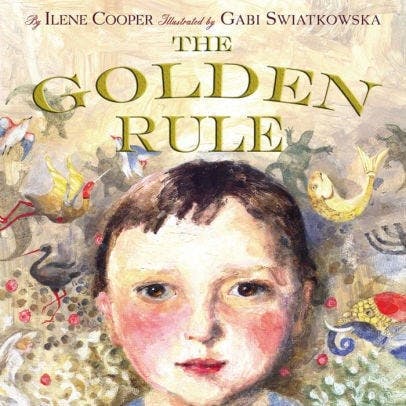
A boy asks his grandfather what the Golden Rule means, then discovers how many places and traditions have an answer.
The Golden Rule is short enough for a child to memorize and hard enough to keep a grown-up busy for a lifetime: treat other people the way you would want them to treat you. Children understand it best when it leaves the poster and enters an ordinary day — when a new neighbor arrives, a classmate sits alone, a sibling wants the first turn, or the boy labeled an enemy comes over to play. The strongest books on this subject give children a chance to watch the rule work before asking them to explain it.
Bookroo’s collection of children’s books about the Golden Rule includes direct explanations, lively manners books, classroom stories, and Christian favorites. Our editors chose the ten strongest and most useful titles below, from a board book about letting somebody else go first to picture books about friendship, responsibility, and the small courtesies that make a home or classroom run. Start with the shortlist, then use the related topics to browse kindness, manners, respect, sharing, and other practical parts of the same rule.
A boy asks his grandfather what the Golden Rule means, then discovers how many places and traditions have an answer.
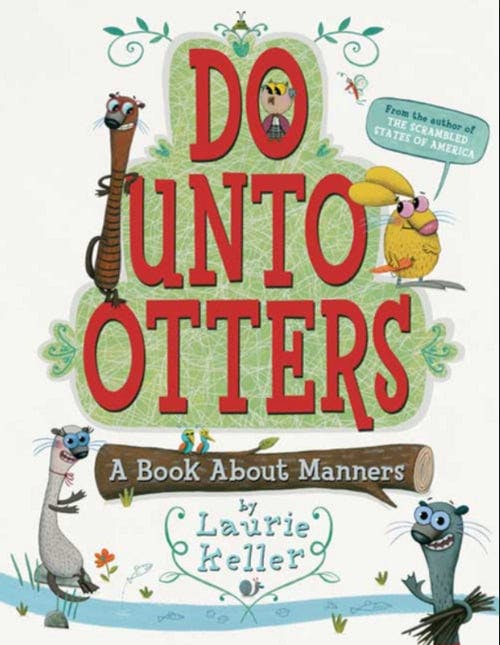
A rabbit panics when otters move in next door, and works his way to the one rule that covers every worry on his list.
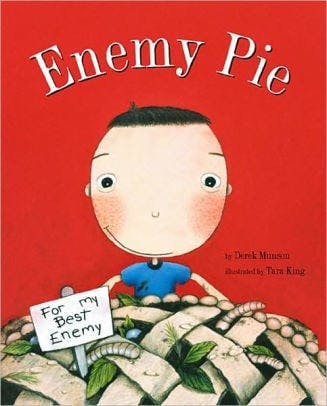
Dad’s recipe for getting rid of an enemy works only if you spend one whole day playing with him first.
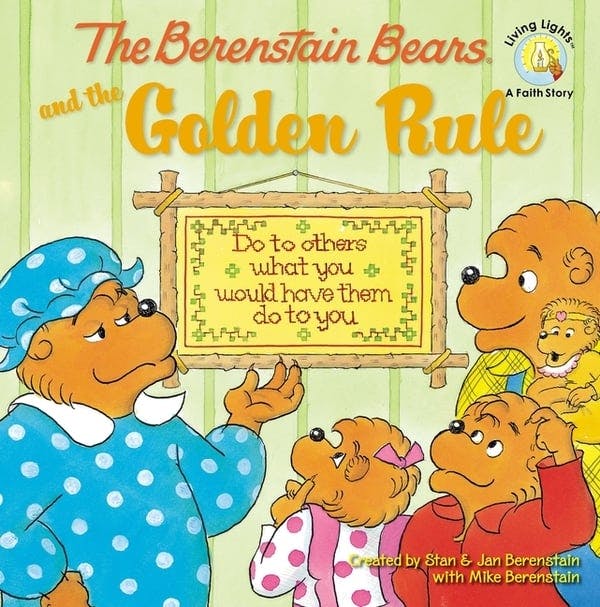
Sister Bear receives a locket engraved with the Golden Rule just before a lonely new girl needs a friend.
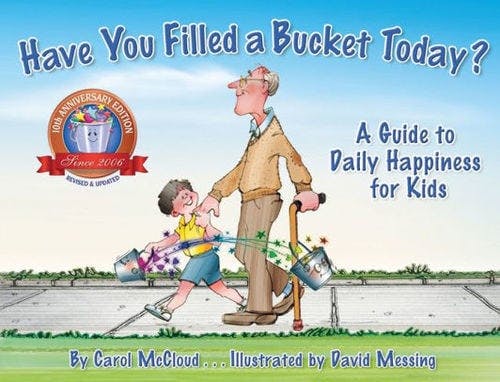
Everyone carries an invisible bucket, and everything you say either fills someone’s or empties it.
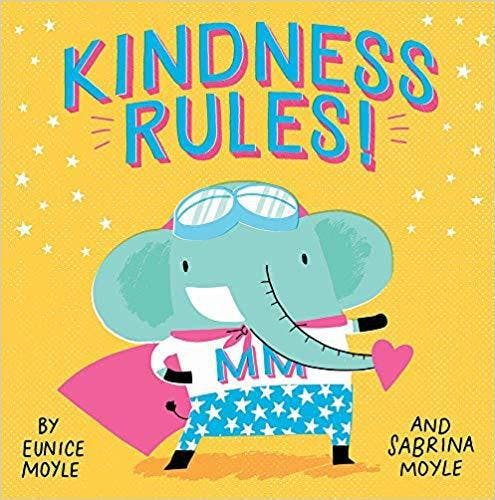
Magic the elephant turns please, thank you, sharing, and helping into one bright, rhyming rule.
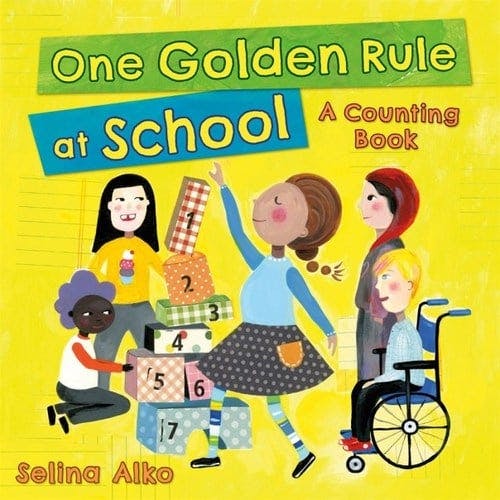
One preschool day counts up from one meeting to ten friends, then comes back down to the rule holding the class together.
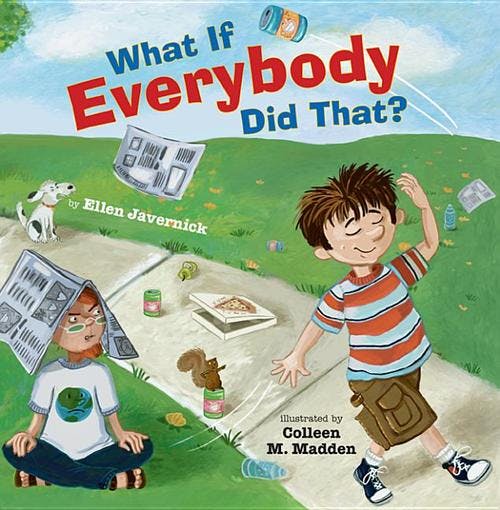
One dropped soda can, one interrupted story, one ignored rule — what happens when everybody makes the same exception?
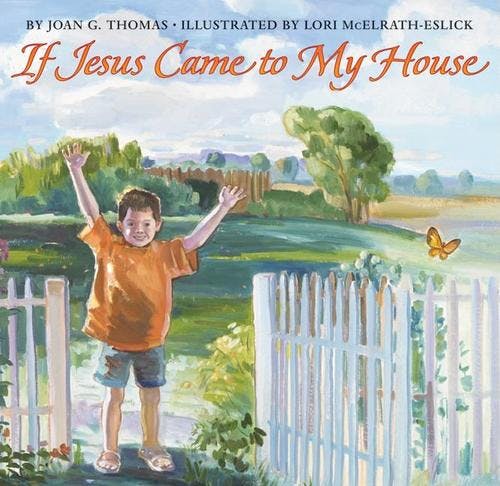
A boy imagines Jesus visiting for the afternoon — sharing his toys, taking turns, and receiving the very best welcome he can give.
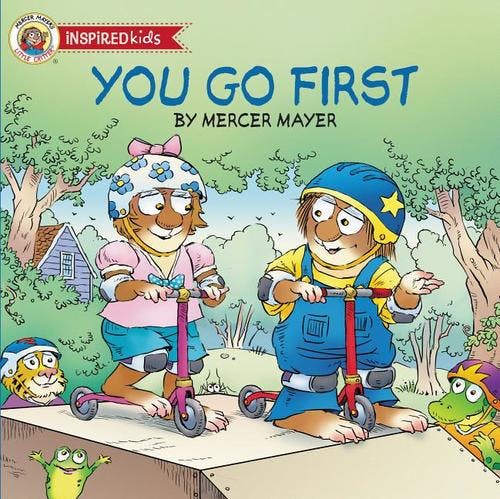
Little Critter insists on being first until a day of grabbing, racing, and interrupting shows him what that feels like from the other side.