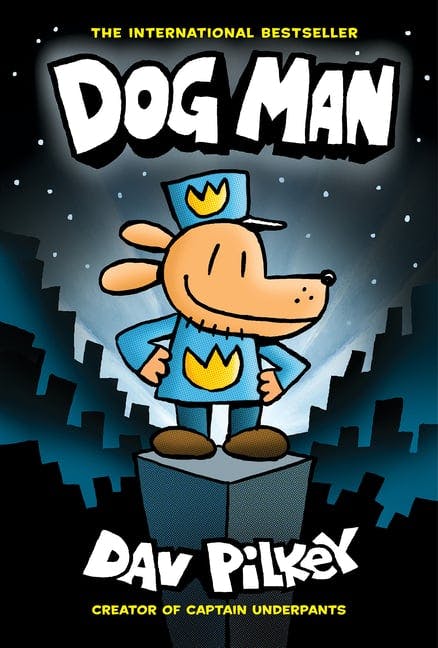
Dog Man
A police dog and his partner must stop a villainous cat from taking over the city.
Second grade is where many readers begin trading short, heavily illustrated books for stories that can carry them across several sittings. The best bridge books keep that transition exciting: lively pictures still help, chapters create satisfying stopping points, and a strong premise makes coming back feel natural.
This list ranges from graphic novels and joke-packed adventures to mysteries, classics, fantasy, and warm school stories. Some choices are quick confidence builders; others offer a gentle stretch. Together, they give young readers many ways to discover the kind of book they want to read next.
Humor, action, mystery, and visual storytelling matter more than sheer length when a reader is learning to sustain attention across chapters.
Graphic novels, school stories, fantasy, animal adventures, and classics let children follow their interests instead of a single prescribed path.
The two stages move from highly approachable chapter books toward longer, richer stories without turning the list into a rigid reading ladder.
These six offer especially clear entry points for different kinds of second grade readers. They are starting places, not a ranking.
A police dog and his partner must stop a villainous cat from taking over the city.
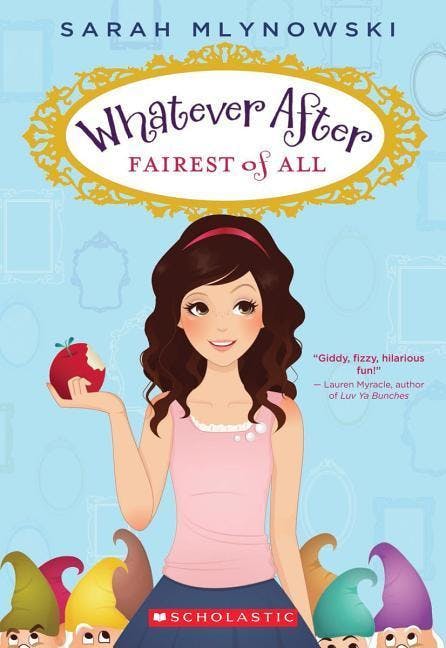
Two kids must fix Snow White's story after accidentally altering her fate.
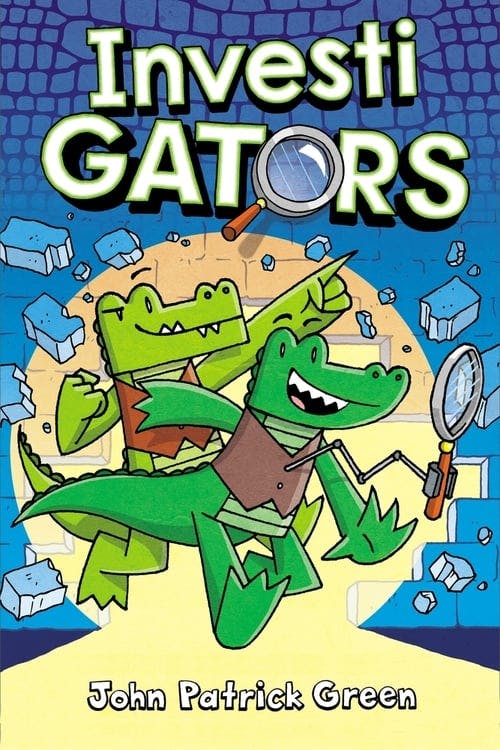
A group of alligator investigators solve a mystery involving a missing chef, a stolen scientific invention, and a triceratops escape artist.
An island girl creates a clay friend, but is it a friend or a monster?
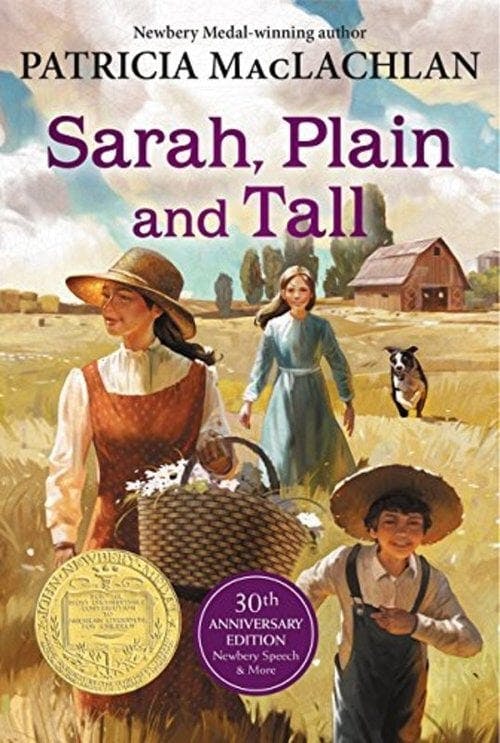
A young girl and her brother await the arrival of a potential stepmother from Maine, who may bring much-needed change to their lives on the prairie.
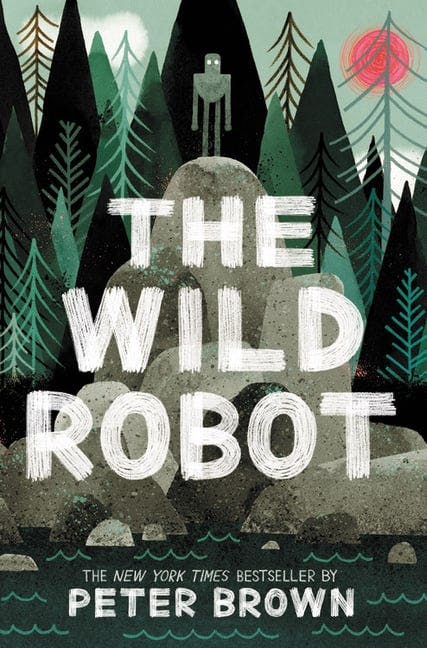
A robot must adapt to survive on a wild island, but her past threatens her newfound home.
The full list follows the source sheet’s two reading stages. Ages are a starting point, not a rule—choose the section that gives your reader the right mix of confidence and stretch.
Best for ages 7–8 · 39 books
by Dav Pilkey
Series — 13 books
by Aaron Blabey
Series — 20 books
by Dav Pilkey
Series — 12 books
by Dana Simpson
Series — 15 books
by Judd Winick
Series — 9 books
by John Patrick Green
Series — 5 books
by Jim Benton
Series — 7 books
by Sarah Mlynowski
Series — 15 books
by Geronimo Stilton
Series — 80+ books
by Ursula Vernon
Series — 11 books
by Troy Cummings
Series — 13 books
by Katrina Charman
Series — 10 books
by Aron Nels Steinke
Series — 3 books
by Katy Farina
Series — 8 books
by Ron Roy
Series — 26 books
by Joan Holub & Suzanne Williams
Series — 20+ books
by Mo O'Hara
Series — 4 books
by Maxwell Eaton III
Series — 6 books
by Paula Harrison
Series — 6 books
by Nancy Krulik
Series — 8 books
by Harper Paris
Series — 8 books
by Dori Hillestad Butler
Series — 6 books
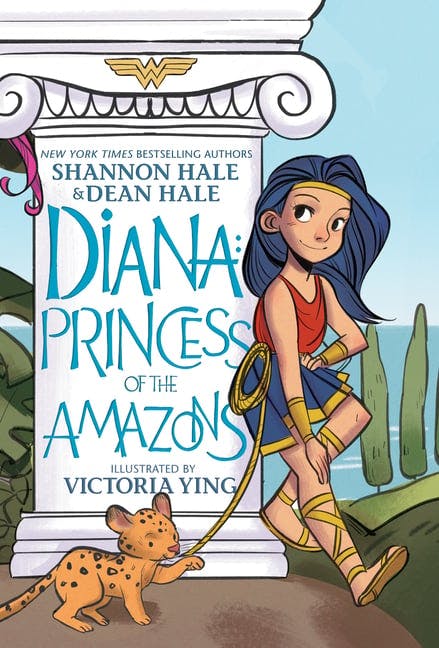
by Shannon Hale & Dean Hale
Standalone
by Drew Brockington
Series — 6 books
by James Burks
Series — 2 books
by Lenore Look
Series — 8 books
by Sally Warner
Series — 8 books
by Lenore Look
Series — 3 books
by Adib Khorram
Standalone
by Jenny Liao
Standalone
by Ann Cameron
Series — 6 books
by Kate DiCamillo
Series — 4 books (Deckawoo Drive)
by Adam Stower
Standalone
by Akeem S. Roberts
Standalone
by Patricia MacLachlan
Standalone
by Beverly Cleary
Series — 6 books
by Kevin Henkes
Standalone
by Neil Gaiman
Standalone
by Tony DiTerlizzi
Series — 2 books
Best for age 8 · 14 books
by Beverly Cleary
Series — 3 books
by Gertrude Chandler Warner
Series — 19 books
by Lois Lowry
Series — 6 books
by Betty G. Birney
Series — 12+ books
by Ruth Stiles Gannett
Series — 3 books
by Sara Pennypacker
Series — 7 books
by Donald J. Sobol
Series — 29 books
by Jeff Brown
Series — 5 books
by Suzy Kline
Series — 36 books
by Louis Sachar
Series — 8 books
by James Preller
Series — 30 books
by Deborah Howe & James Howe
Series — 7 books
by Julie Abe
Series — 2 books
by Peter Brown
Series — 3 books
Choose from the grade-band selections, track completed books, and build a summer around successful reading experiences.