Ruby Finds a Worry
A small worry turns up one morning and keeps getting bigger, until it is the only thing she can see.
Nobody is born knowing that the hot, tight thing in their chest is called angry, or that it will pass. A four-year-old flat on the kitchen floor is not being difficult; they are running a brand-new system with no vocabulary and no brakes. Emotional intelligence is the unglamorous work of installing both — putting a name to the feeling, noticing where it sits in the body, learning that a mood grows if you ignore it and shrinks the moment you say it out loud to somebody. Picture books turn out to be uncannily good at this, because a feeling is far easier to hold once an illustrator has drawn it as a color, a monster, a drift of leaves, or a worry the size of a house.
Drawing from Bookroo’s collection of 91 books about feelings and emotional skills, our editors chose 15 that do real work rather than simply announcing that all feelings are okay: a vocabulary book, a sorting tool, an anger classic, a grumpy morning nobody is allowed to fix, and a set of strategies for the moment after the naming. Start with the shortlist, then use the age shelves below — board books for the toddler years, when naming a feeling is the entire curriculum, and picture books and early chapter books for the ages when a child starts wanting something to actually do about it.
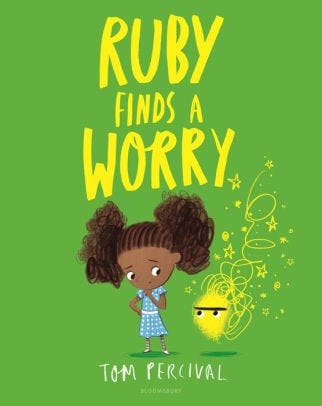
A small worry turns up one morning and keeps getting bigger, until it is the only thing she can see.
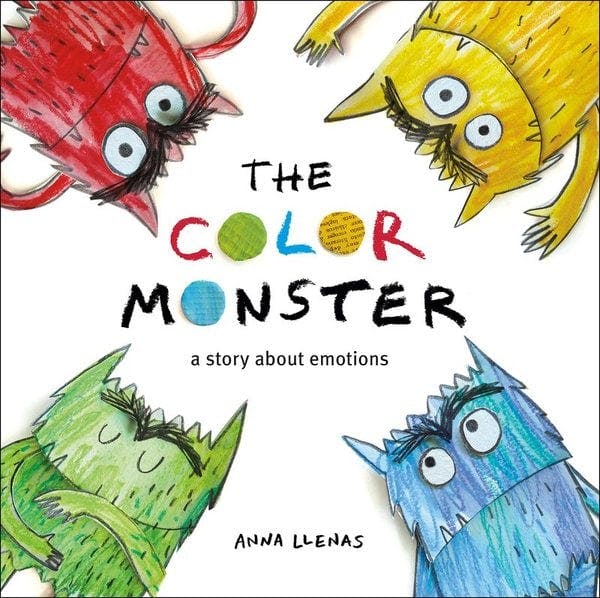
All the feelings have gotten tangled into one grey knot, and somebody offers to help sort them into jars.
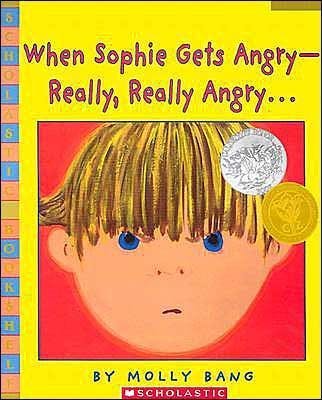
Somebody grabs her toy without asking, the anger arrives all at once, and the only thing to do is run until the world stops roaring.
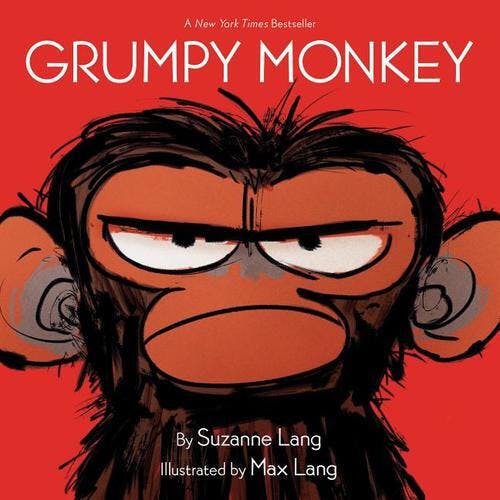
He wakes up in a foul mood on a perfectly nice morning, and every animal in the jungle has a suggestion for fixing it.
A tower of blocks is knocked flat, and one animal after another turns up to explain exactly how to feel about it.
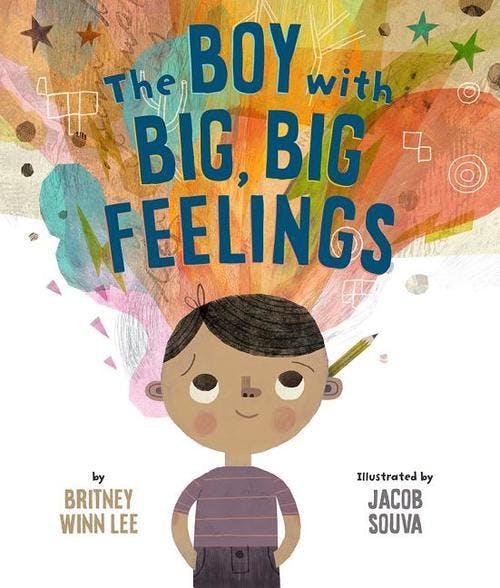
A boy struggles to understand and manage his big emotions until he finds friendship and acceptance with others who feel the same way.
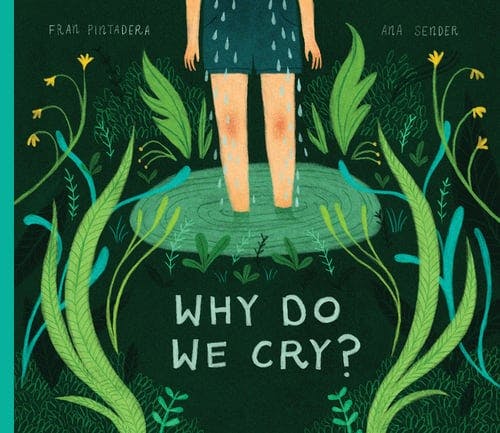
A boy asks his mother a plain question about tears, and gets a whole book of answers back.
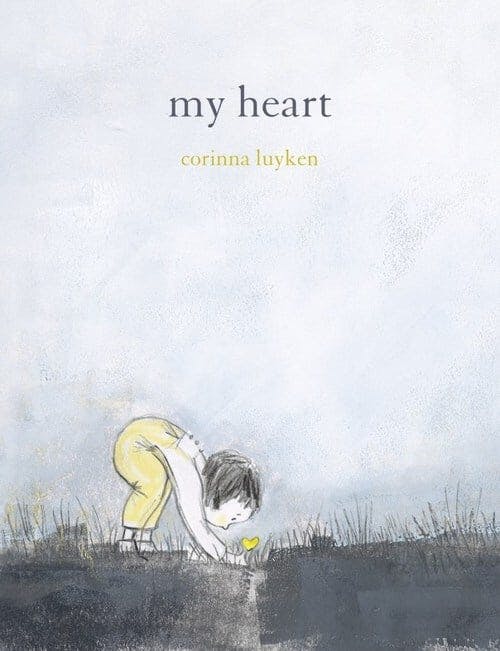
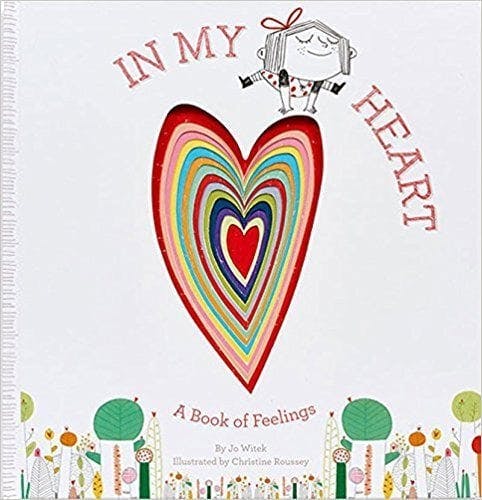
A heart can be a window, a slide, a puddle, or a fence — and some days you get to choose which one it is.
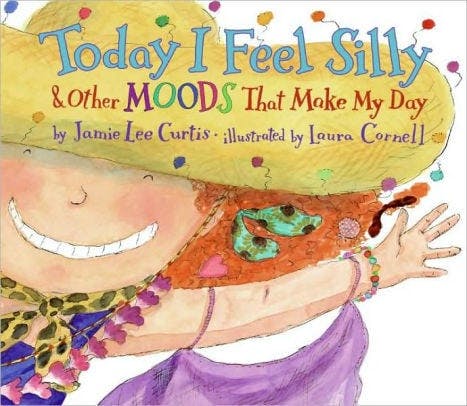
A different mood every day of the week — silly, cranky, excited, gloomy — and not one of them sticks around.
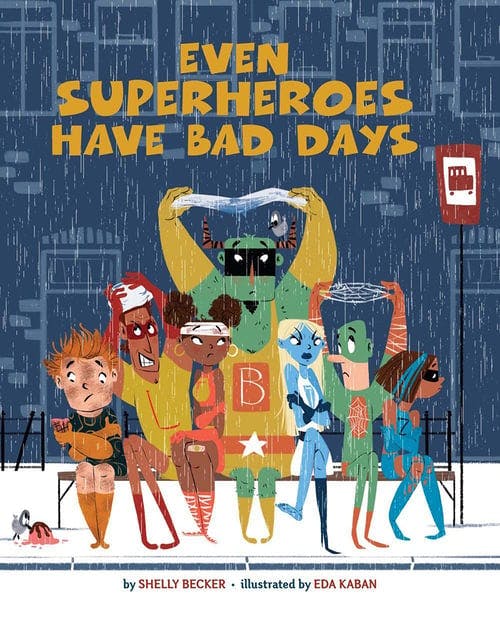
Superheroes get sad, left out, and furious too, and then they have to decide what to do with all that power.
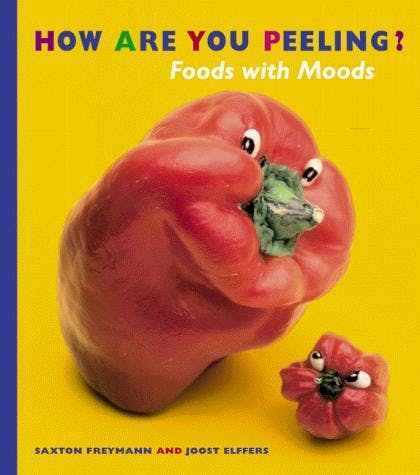
Peppers, oranges, and grapefruits photographed mid-expression, daring the reader to say what each one is feeling.
One feeling per page, each one given a size and a shape — happy is wide, sad is heavy, brave beats like a drum.
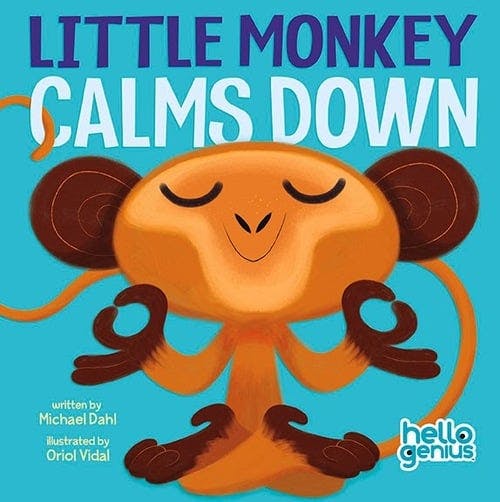
After a full-scale meltdown, a small monkey heads to his room and works back through the steps that bring the calm.
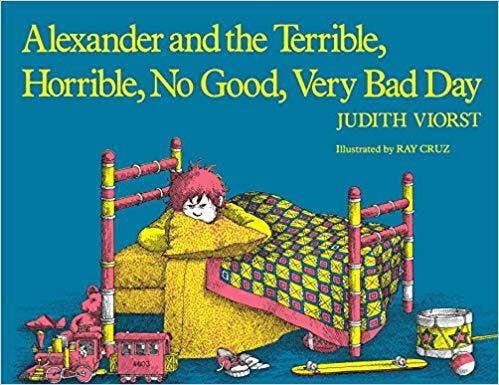
Gum in the hair before breakfast, no dessert, lima beans for dinner, and not one single thing going right all day.
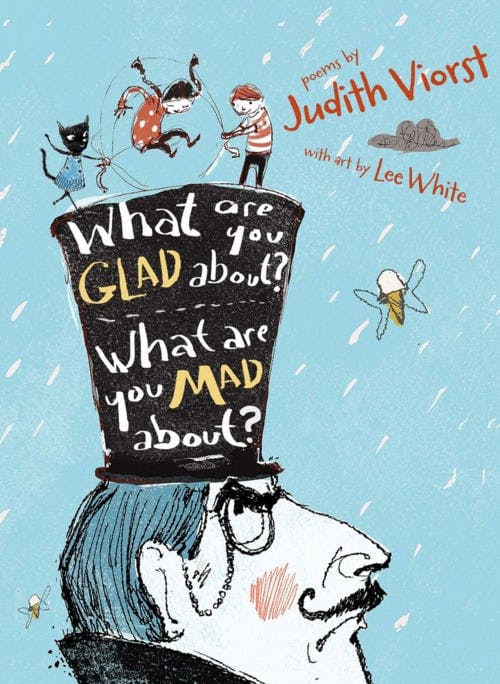
Poems about the entire roller coaster — school, siblings, dread, hope, and days that taste like ice cream and cake.
First words for happy, mad, and sad, plus sturdy calm-down routines worth rehearsing long before the next tantrum arrives. Ages 0–3.
A young matchmaker stirs emotions in her village.
Explore the colorful world of emotions and discover the joy of expressing every feeling.
A toy doggie's fears test Baby's courage when Doggie goes missing.
Baby's tantrum spirals. Can new tricks bring back the happy?
A mother reassures her child that love bridges their daily separation.
Discover emotions and build vocabulary with playful exploration.
Empower kids with affirmations to boost confidence and mindfulness.
Explore Anne's emotions through iconic scenes and tactile art.
Discover emotions with animal friends and build empathy through playful storytelling.
Read-alouds that name the feeling, sit with it, and then show a way through — anger, worry, tears, sulks, and the moods that snowball when nobody sweeps them up. Ages 3–8.
A playful cat loses his hat. Will his lazy friend help retrieve it?
Discover 125 ways kids can spread kindness in a screen-dominated world.
Discover timeless songs that celebrate kindness and self-love, cherished by generations.
Little Jumbo tries to cheer up his dad after a series of mishaps. Can he succeed?
A young person navigates the complexities of being human.
Navigate the whirlwind of emotions and discover that all feelings are okay.
Guide children to name feelings and sensations, fostering mindfulness and emotional resilience.
Can a little dinosaur mend friendships with kindness?
Can you tell facts from opinions? Discover the difference with robots.
A child learns to manage anxiety with creative strategies and a worry hat.
One voice can change the world. Discover how kids make a difference.
Can a rainy day spoil Piggie's outdoor fun with Gerald?
For readers who have outgrown the feelings shelf but still need the words — poems, first chapter books, and school stories where the problem is an emotion rather than a villain. Ages 5–10.
Discover simple mindfulness exercises to help kids find calm and focus anywhere.
A boy struggles to cope with a visit from his noisy and messy cousins, but eventually finds a way to have fun with them
A young girl navigates friendships and misunderstandings in her second-grade class
Learn when to complain and when to stay positive.
A new teacher challenges students to create an imaginative art project.
Nimbus faces a stormy mood she can't hide. Can friendship weather the storm?
Riley's mind is a whirlwind of new emotions. What will she discover inside?